AlkaMelt: What the Drops Claim and What the Evidence Shows
What AlkaMelt is and how it's sold
AlkaMelt is a liquid taken by dropper, sold online rather than in shops. Its pitch rests on the "alkaline" idea: that drops can shift the body toward being "more alkaline," and that this supports metabolism and the body goals the marketing points at. It is sold in bundles through a third-party checkout, each tier shown against a higher struck-through price, with a money-back line. As with many products in this category, the exact offer shifts from page to page, and the drops' ingredient amounts are not printed on the sales pages.
The premise, examined
Before the ingredients, the idea itself deserves a look, because the whole product rests on it.
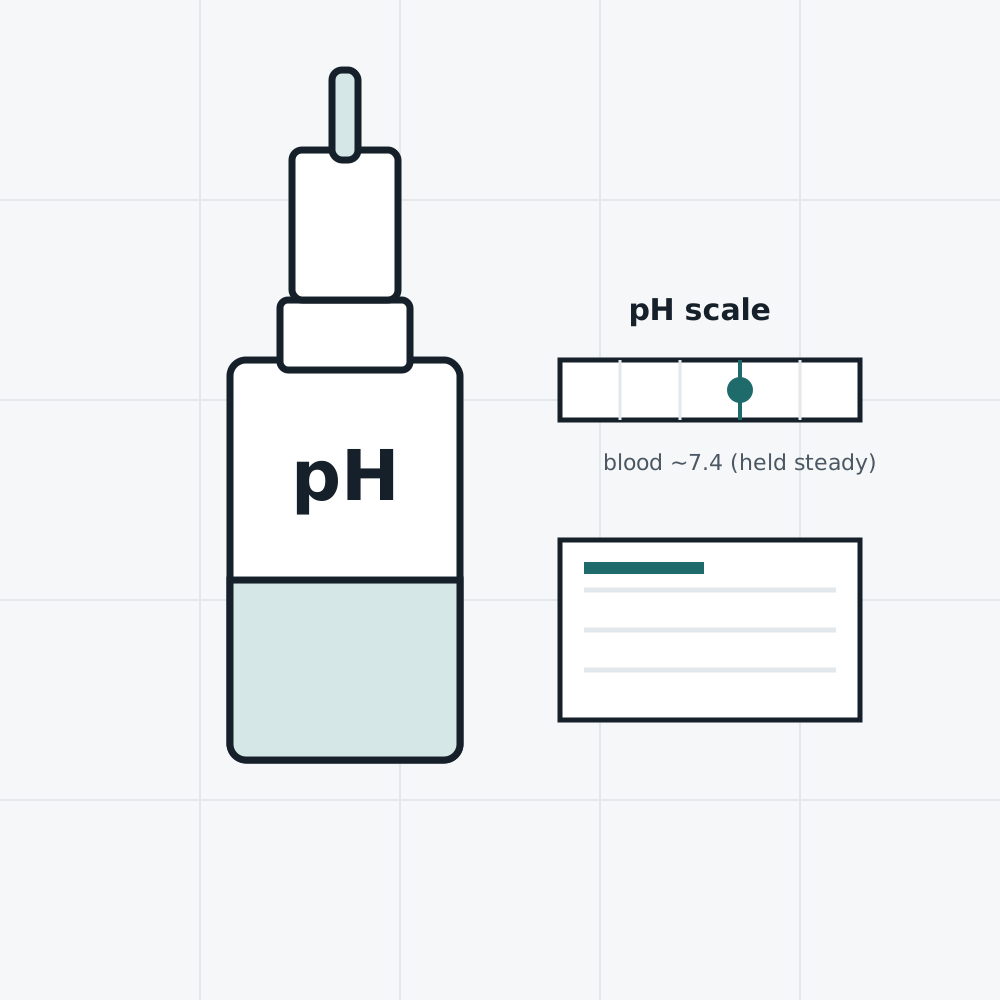
Your body holds blood pH in a narrow range around 7.4, and it does this automatically through the lungs and kidneys, whatever you eat or drink. Diet can change the pH of your urine, but not the pH of your blood. Systematic reviews of the "acid-ash" idea behind alkaline diets have found the hypothesis unsupported — there is no good evidence that shifting dietary "acid load" changes the health outcomes it's sold for.
In other words, a few drops cannot meaningfully "alkalize" you, and there is no established mechanism by which an alkaline premise would deliver the results the marketing implies. That is the central problem with the product, independent of whatever is in the bottle.
What the label discloses
Like many drop products sold this way, AlkaMelt's sales pages market an effect without printing an amount for the ingredients inside. With no stated doses, there is nothing to line up against research, and the usual advice applies: treat an undosed formula as an unknown, and check the actual label on any bottle you receive.
What's actually studied for a daily routine: fiber
If the real interest behind a product like this is a simple daily habit that genuinely has evidence behind it, dietary fiber — and psyllium in particular — is one of the most studied, for three down-to-earth reasons:
- Digestive regularity. Psyllium is a bulk-forming fiber with a long, well-established record for supporting regularity.
- Feeling fuller. Because it forms a gel and slows digestion, fiber taken before meals can help you feel fuller for longer, though the effect varies from person to person.
- Healthy cholesterol. This is the strongest evidence. A 2018 meta-analysis of 28 randomized trials found that a median of about 10 g of psyllium a day lowered LDL ("bad") cholesterol by roughly 0.33 mmol/L versus control. The FDA allows a heart-disease-risk-reduction claim for psyllium soluble fiber on that basis [1] [2].
None of that is a dramatic promise, and none of it depends on "alkalizing" anything. It is simply a routine with real, measured benefits.
Facts worth checking before you order
- Check the premise first. If a product's whole idea is "making you alkaline," the science above says the mechanism isn't there.
- Look for the amounts. Undisclosed doses mean you cannot judge or compare the product.
- Find the company, and read the refund terms. Identify the maker and a contact address, and read the written return policy on the page you buy from — the window and who pays return postage often differ from the headline.
- Ignore federal-approval wording. The FDA does not review or clear supplements for effectiveness before sale [3].
A studied, clearly labelled option
We won't point you to an AlkaMelt bottle: its premise doesn't hold up, its doses are undisclosed, and no study tests it. If a genuinely evidence-based daily habit is what you're after, a plain psyllium-husk fiber supplement from an established brand — with the amount printed on the label — is a transparent place to start.
A single, well-established fiber with the serving amount printed on the label, from a named maker. We make no claim beyond what the research above supports (regularity, a fuller feeling, and support for healthy cholesterol). Start low and increase gradually with plenty of water, and take it apart from medicines, which fiber can slow the absorption of. Verify the exact product, dose, price and seller on Amazon before buying.
Check Current Price on Amazon Psyllium husk fiber on Amazon.comAs an Amazon Associate we earn from qualifying purchases. See our Disclosure. Price, seller and stock on Amazon change; confirm the listing before buying.
Why this one: one ingredient, a printed amount, a named maker and a long track record — the opposite of an undosed drop built on a shaky premise. Cautions: add fiber gradually and with water to avoid bloating or, rarely, choking if taken with too little liquid; keep it separate from prescription medicines by a couple of hours; and anyone pregnant, nursing or managing a health condition should check with a clinician first.
General information, not medical advice; nothing here is intended to diagnose, treat, cure or prevent any disease, and the claims quoted above belong to the sellers. Prices, sellers and stock change; figures are as seen on November 3, 2026.
- Jovanovski E, et al. Effect of psyllium fiber supplementation on LDL cholesterol: a systematic review and meta-analysis of 28 randomized trials. Am J Clin Nutr. 2018. PMID 30239559 — PubMed record
- U.S. Food and Drug Administration — authorized health claim for soluble fiber from psyllium husk and reduced risk of coronary heart disease (21 CFR 101.81), via Cornell Legal Information Institute.
- U.S. Food and Drug Administration — Questions and Answers on Dietary Supplements. fda.gov
- On the alkaline/acid-ash premise: Fenton TR, Huang T. Systematic review of the association between dietary acid load, alkaline water and cancer. BMJ Open. 2016 — find on PubMed. See also NIH/NCCIH on "detoxes and cleanses."
- AlkaMelt sales and checkout pages (cited, not linked): the alkaline premise, bundle pricing and guarantee wording as read November 3, 2026.
- Amazon.com listing for a plain psyllium-husk fiber — brand, dose, price, seller and stock to be confirmed on the listing.